


 News
News




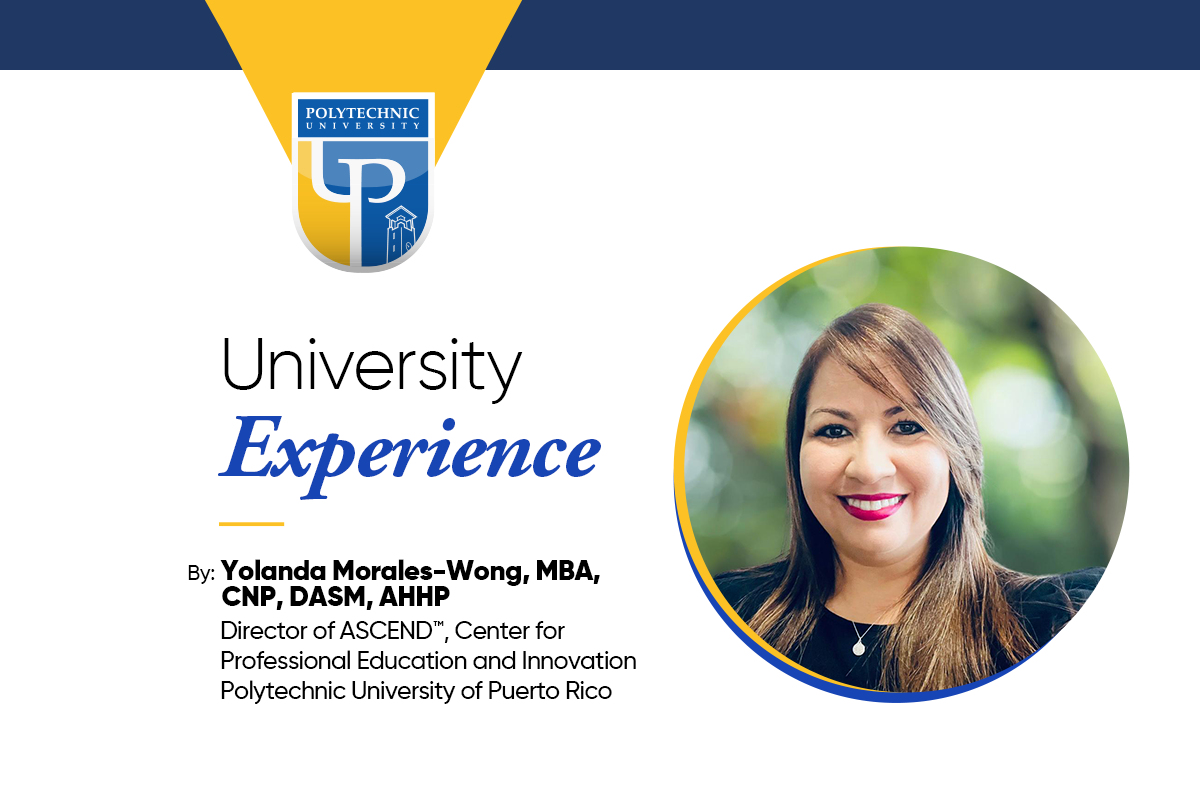 The transition from high school to university represents a defining moment in the lives of many young people. It’s not just the academic level that changes; the dynamics, expectations, and required level of autonomy also shift. Supporting this transition from an educational perspective requires concrete actions that prepare students to enroll and persist, grow, and engage in meaningful learning.
Pre-university workshops arise in response to this need. They are not crash courses or recreational spaces, but environments designed to guide, strengthen, and provide key tools before the formal start of university studies.
Beyond academic content, they promote essential skills such as time management, critical thinking, and personal organization. They also encourage collaborative work, effective communication, and decision-making based on self-awareness. In other words, they prepare students for the type of learning that universities demand, learning that is often not deeply developed in high school.
These workshops also have a significant emotional impact. Becoming familiar with the university structure, engaging with its resources, and experiencing part of its dynamics helps reduce uncertainty and fear of change. This early preparation can lead to better adaptation and a more confident, focused start.
The workshops also offer the chance to explore vocational interests through direct experience. Participating in hands-on activities related to fields such as Engineering, Architecture, or Business Administration allows students to confirm or reconsider their preferences before formally deciding their academic future.
Another important aspect is the early connection between learning and its professional application. Visits to workplaces, testimonials from alumni, and activities with active professionals help students understand how knowledge translates into practice and what it means to become a professional in each area.
Pre-university preparation is part of a commitment to more just, accessible, and intentional education. It’s not about getting ahead on content but about giving students the opportunity to begin university with real tools, a clear sense of purpose, and greater capacity to face its challenges.
Investing in these formative spaces not only improves academic performance, but it also helps shape more critical, autonomous individuals who are committed to their learning process. In an educational system that aims to be relevant and equitable, these types of initiatives are more than valuable, they are essential.
For more information, contact 787-622-8000 ext. 429, 425, and 470, or email us at ASCEND@pupr.edu